
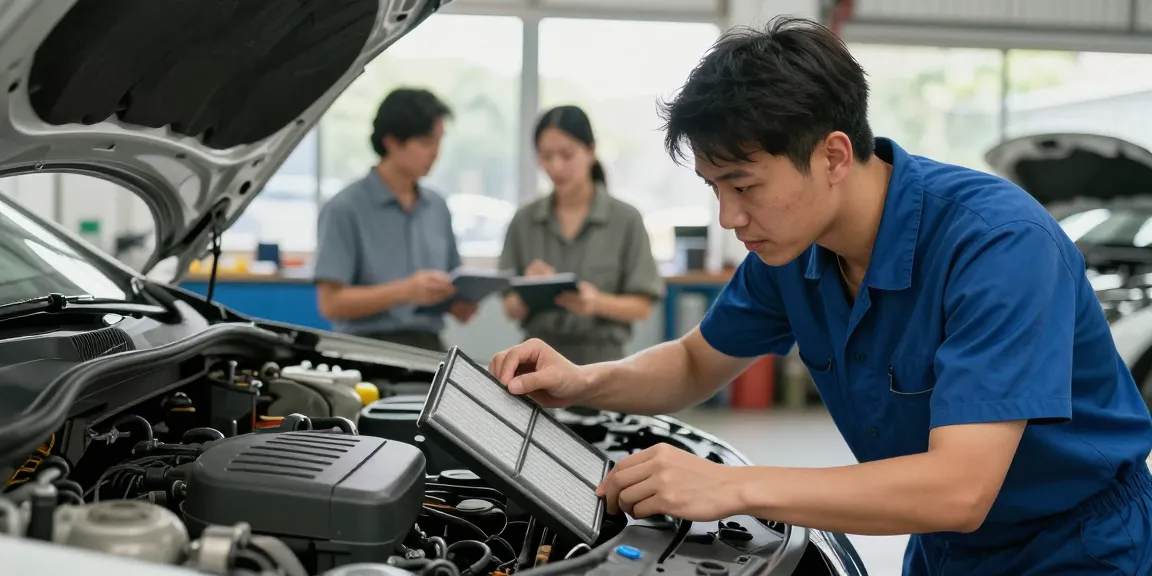
Understanding the Car Cabin Filter: Importance and Location
Your car’s cabin filter plays a crucial role in maintaining the air quality inside your vehicle. It’s designed to filter out pollutants, dirt, and allergens from the air that enters the cabin, thus ensuring that you breathe clean air while driving. Many drivers overlook this component, leading to discomfort and potential health issues. When exploring options, car cabin filter maintenance is essential for your health and driving experience.
What is a Car Cabin Filter?
A car cabin filter is an essential component that acts as a barrier to pollutants and particulates, keeping your car’s interior air clean. It traps dust, pollen, smoke, and other harmful particles, thereby enhancing the comfort of every ride. The filter is typically made of a paper or activated carbon material, depending on the make and model of your vehicle. This filtration system ensures that you don’t inhale harmful substances every time you turn on your car’s heating or air conditioning system.
Where is the Cabin Filter Located?
The location of the cabin filter can vary by vehicle make and model. However, in most modern cars, it is typically found behind the glove compartment or under the dashboard on the passenger side. Some models may have filters located under the hood in the air intake section. Always refer to your car’s owner manual for the exact location of the cabin filter to make maintenance easier.
The Role of the Cabin Filter in Air Quality
The cabin filter significantly influences the overall air quality inside your vehicle. By filtering airborne pollutants, it contributes to a healthier driving environment, particularly for individuals with allergies or respiratory issues. Regular maintenance and replacement of the cabin filter are vital for preventing the circulation of contaminated air, which can adversely affect your health while driving.
When to Change Your Car Cabin Filter: Key Symptoms
Recognizing the symptoms of a dirty or clogged cabin filter is crucial for maintaining air quality and comfort. Know the signs and ensure timely replacement to avoid further complications. Addressing issues early can save you from costly repairs and enhance your driving experience.
Signs of a Dirty Cabin Filter
- Reduced Airflow: If you notice that airflow from the vents has diminished, it is often a sign that your cabin filter is clogged.
- Unpleasant Odors: Bad smells emanating from the air conditioning or heating may indicate a buildup of mold or bacteria in the filter.
- Increased Dust Inside the Car: If you find that dust accumulates in your vehicle quicker than usual, a dirty filter may be allowing more particulates into the cabin.
- Frequent Fog on Glass: If your windows fog up more easily, this could be a symptom of poor air circulation caused by a clogged filter.
How to Recognize Weak Airflow Symptoms
Weak airflow can often be the first noticeable symptom of a dirty cabin filter. When airflow is insufficient, the vehicle’s fan will have to work harder to push air through a blocked filter, making the system less effective. This not only leads to discomfort but may also increase the wear and tear on your vehicle’s HVAC components.
The Impact of Delayed Changes on Vehicle Comfort
Ignoring the need to replace your cabin filter can lead to unnecessary strain on your HVAC system, resulting in decreased performance and increased fuel usage. Poor air quality can also affect your driving comfort and may lead to allergies or respiratory issues over time.
Benefits of Regular Cabin Filter Maintenance
Regular maintenance of the cabin filter yields numerous benefits, helping ensure that you have good air quality and maximizing your vehicle’s efficiency.
Enhancing Your Driving Experience
When your cabin filter is in good condition, the air that you breathe inside your vehicle is cleaner and fresher. This contributes significantly to a more enjoyable driving experience, especially during long trips or peak traffic times.
Health Benefits from Improved Air Quality
A clean cabin filter filters out allergens and pollutants, which can lead to reduced allergy symptoms and respiratory discomfort. Maintaining good air quality is especially important for people with preexisting health conditions.
Financial Implications of Ignoring Maintenance
Neglecting to maintain or replace your cabin filter can lead to expensive repairs in the long run. A clogged cabin filter can cause your HVAC system to overwork, resulting in potential failures and costly repairs. Regular maintenance will save you money on fuel bills and extend the life of your system.
DIY vs. Professional Replacement: What You Need to Know
When it comes to replacing your cabin filter, you have two primary options: doing it yourself or hiring a professional. Understanding the pros and cons of each will help you make a more informed decision.
Is DIY Replacement Worth It?
Replacing a cabin filter is often straightforward and can be done with minimal tools. Many drivers opt for DIY replacement to save money. However, if you’re unsure about the process or lack the right tools, it may be best to consult a professional.
Cost Breakdown for Professional Services
The cost to replace a cabin filter can vary based on the make and model of your vehicle and the service provider. Typically, you can expect to pay between $20 and $70 for a professional replacement. This usually includes parts and labor, and the job typically takes less than an hour to complete.
What to Expect During a Professional Replacement
If you choose a professional service, expect a comprehensive inspection of your HVAC system. The technician will carefully remove the old filter, check for any signs of blockage or damage in the ductwork, and install the new cabin filter. They may also clean any remaining contaminants to ensure maximum air quality.
Frequently Asked Questions about Car Cabin Filters
How Often Should You Replace the Cabin Filter?
It is generally recommended to replace your cabin filter every 15,000 to 20,000 miles, or at least once a year, depending on driving conditions and usage.
Can a Dirty Cabin Filter Affect Air Conditioning Performance?
Absolutely! A dirty cabin filter can restrict airflow, leading to a strain on the air conditioning system and reduced cooling efficiency.
What Happens If You Ignore a Clogged Cabin Filter?
Ignoring a clogged cabin filter can lead to decreased air quality, increased allergens, poor airflow, and potential HVAC system failures, which can incur higher repair costs.